Procedures We Offer
We provide advanced surgical procedures tailored to each patient's needs and recovery goals.
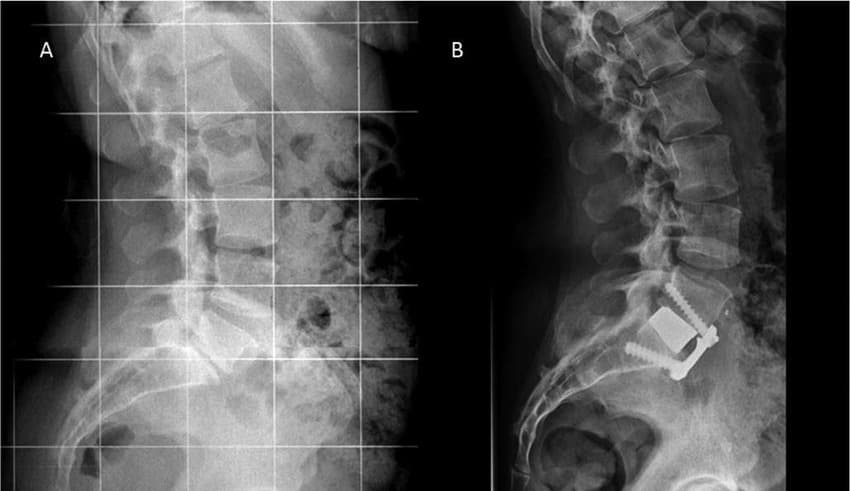
Anterior Lumbar Interbody Fusion (ALIF)
Fusion surgery done from the front of the body to remove a damaged disc and insert a spacer with bone graft, restoring disc height and stability.
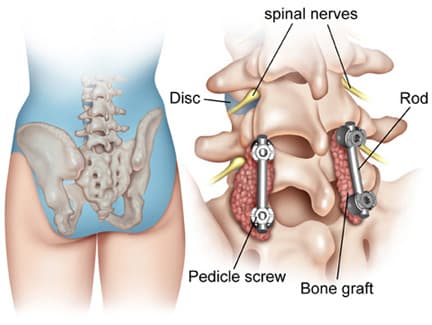
Transforaminal Lumbar Interbody Fusion (TLIF)
Fusion surgery done from the back at an angle, removing a disc and inserting a cage with bone graft to relieve nerve pressure and stabilize the spine.
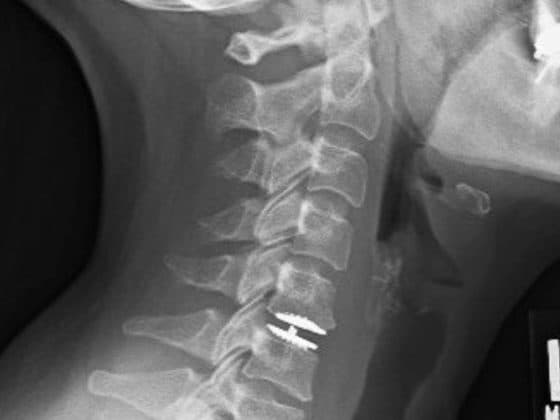
Cervical Disc Replacement
Replaces a damaged neck disc with an artificial one to relieve pain while preserving natural motion, instead of fusing the bones together.
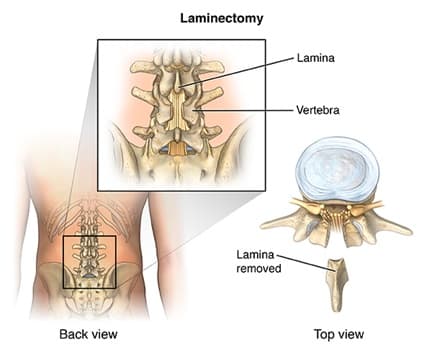
Laminectomy
Removes part of the vertebra (lamina) to relieve pressure on the spinal cord or nerves caused by spinal stenosis.
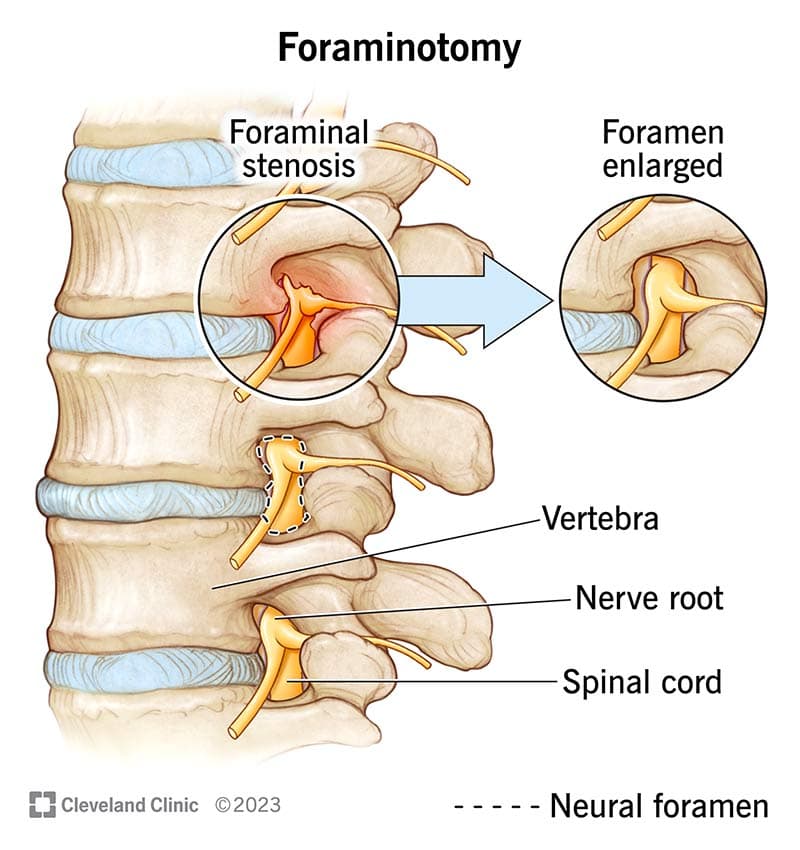
Foraminotomy
Enlarges the opening (foramen) where a spinal nerve exits, relieving pinched nerve symptoms like pain, numbness, or weakness.
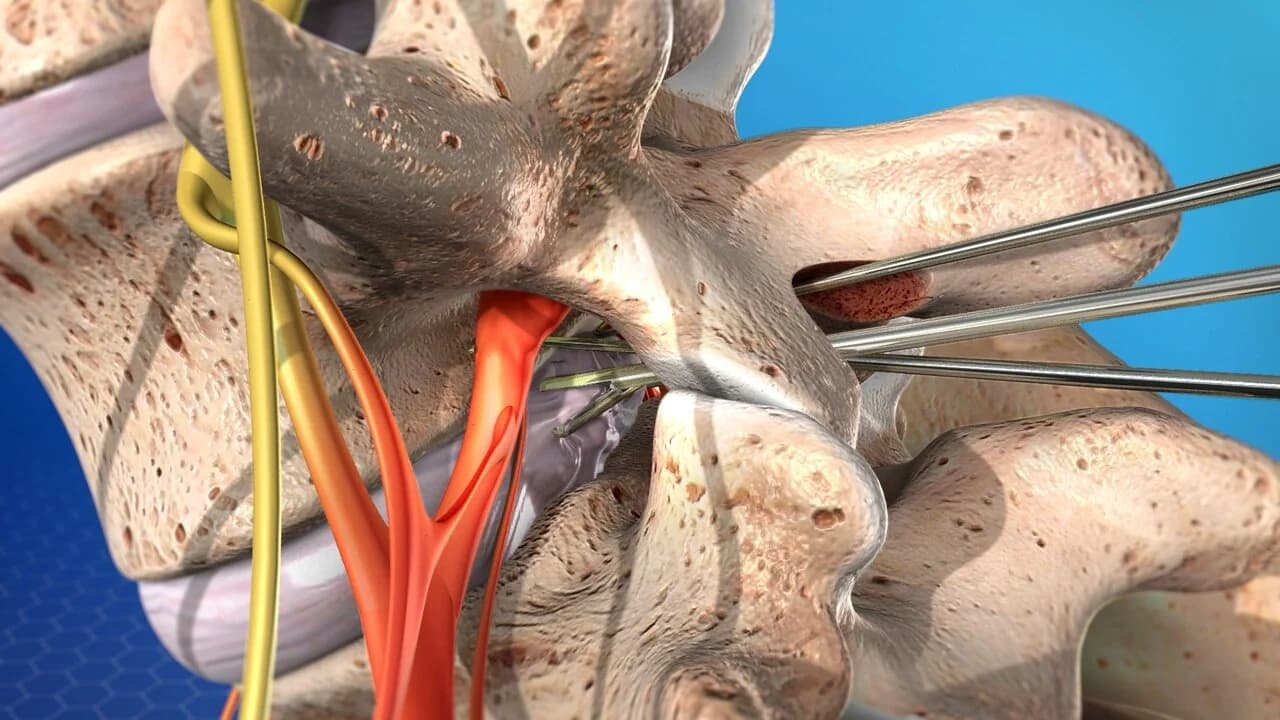
Discectomy
Removes part of a herniated or damaged disc that is pressing on nerves, commonly performed in the lower back.
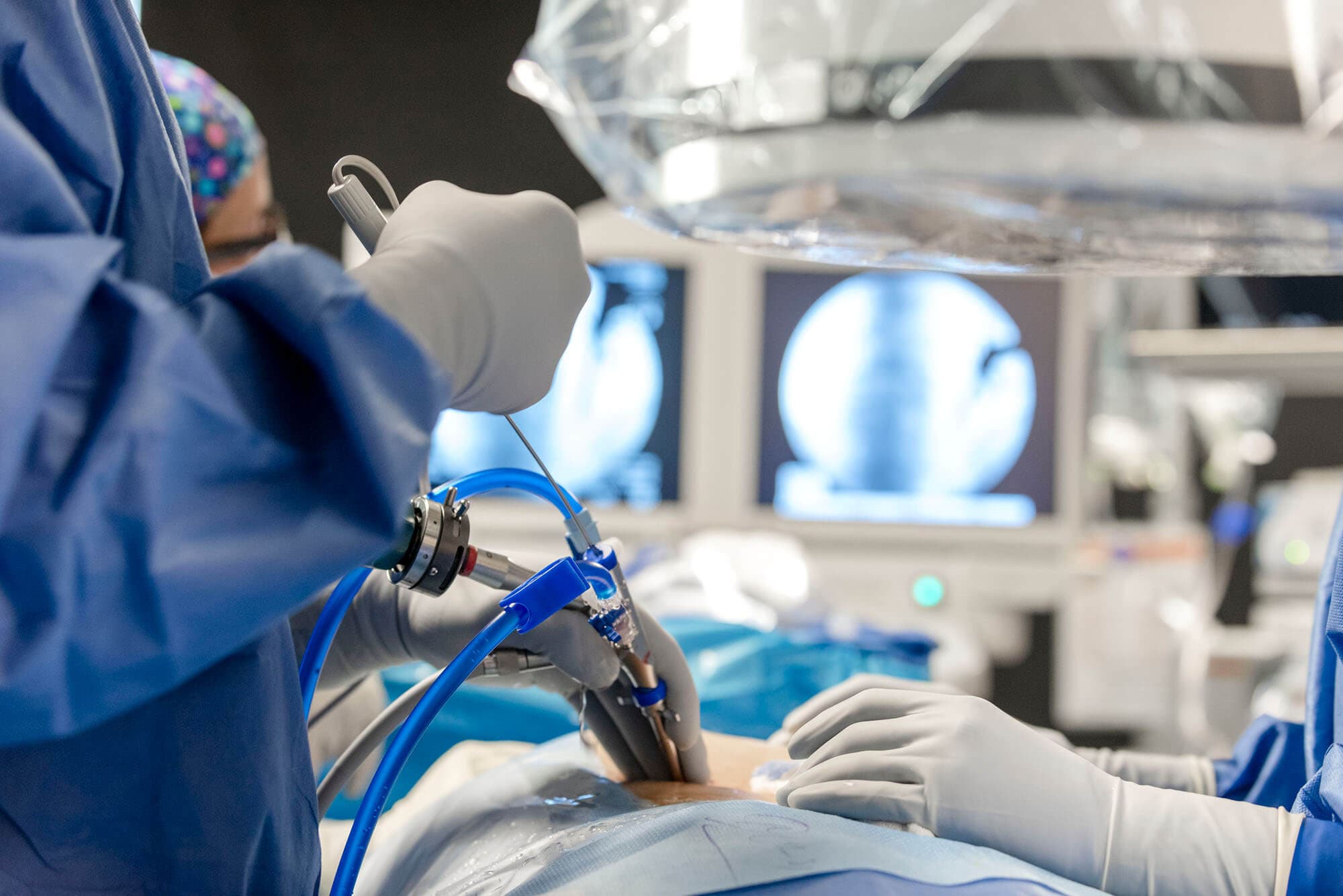
Endoscopy
A minimally invasive technique using a small camera and instruments to treat spinal conditions with less muscle damage and faster recovery.
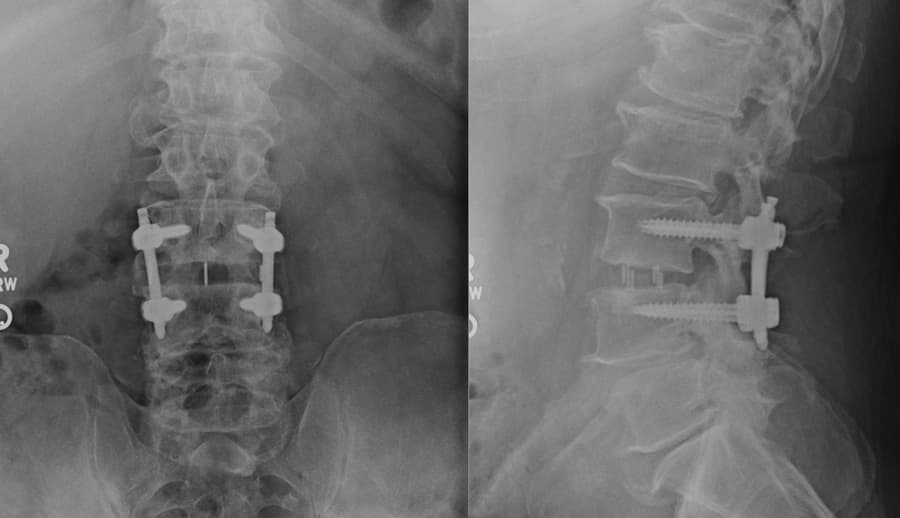
Lateral Lumbar Interbody Fusion (LLIF)
Fusion surgery performed from the side of the body, avoiding major back muscles and allowing for quicker recovery.
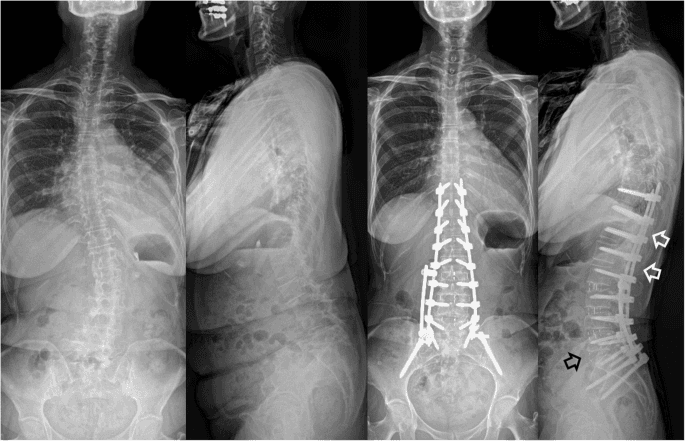
Scoliosis Deformity Correction
Straightens severe spinal curves using rods, screws, and bone grafts to permanently fuse and stabilize the spine.
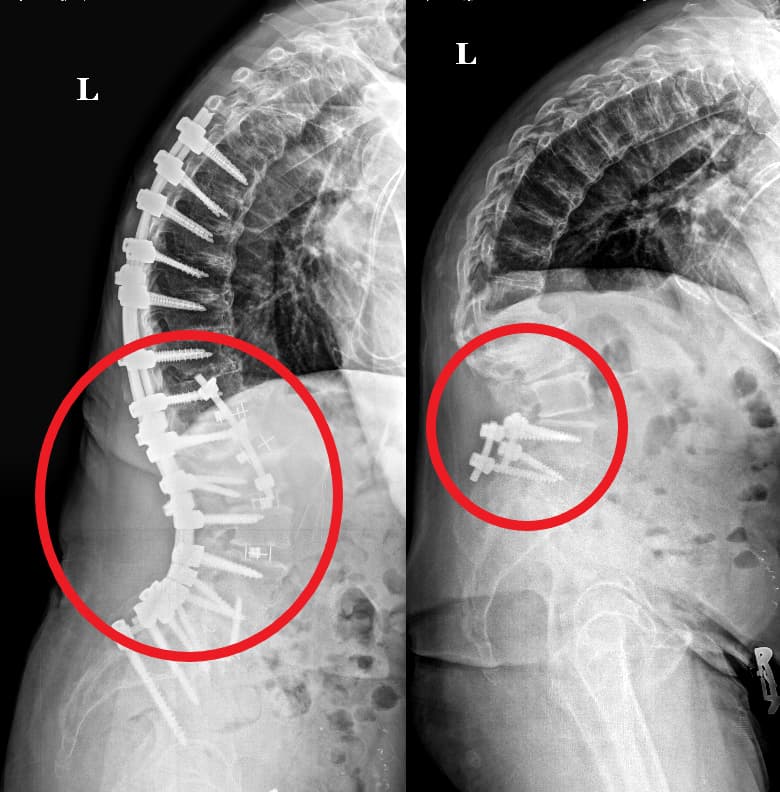
Revision Spine Surgery
A corrective surgery for patients who have had prior spine surgery but continue to experience pain or complications.
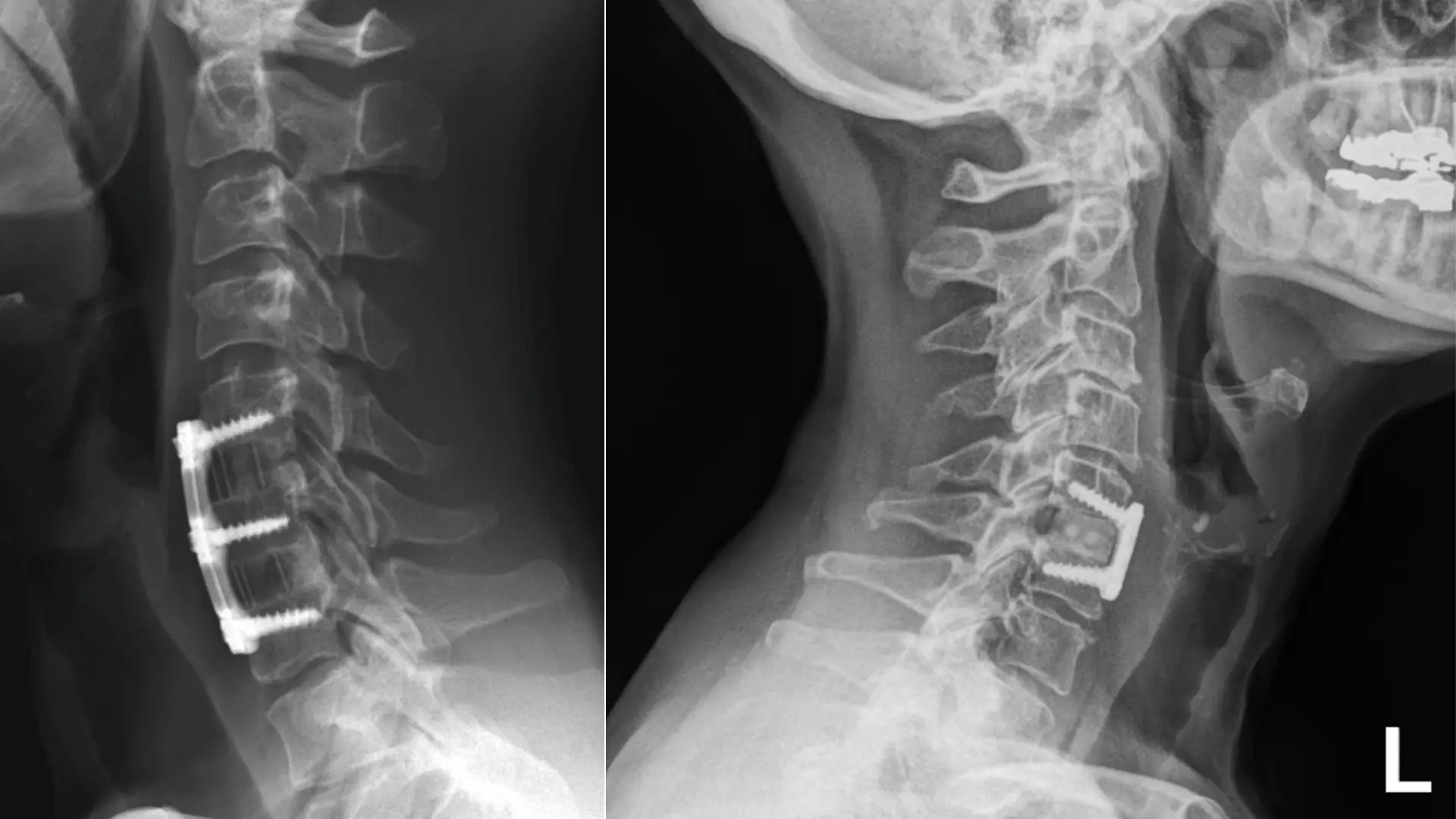
Anterior Cervical Discectomy and Fusion (ACDF)
Removes a damaged neck disc from the front and fuses the vertebrae with a bone graft or cage, relieving nerve compression.
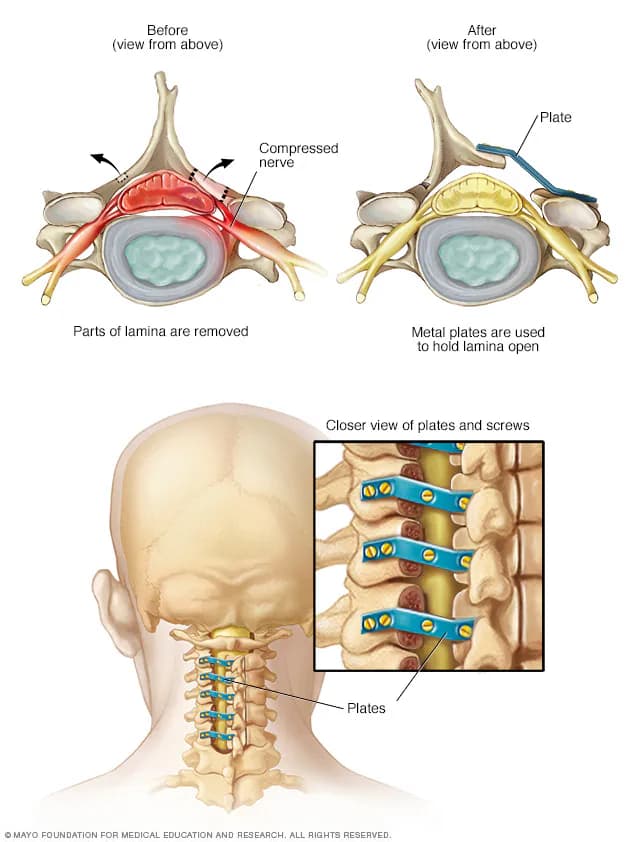
Laminoplasty
Opens the bony arch of the neck like a hinge to relieve spinal cord compression while preserving motion, instead of fully removing bone.
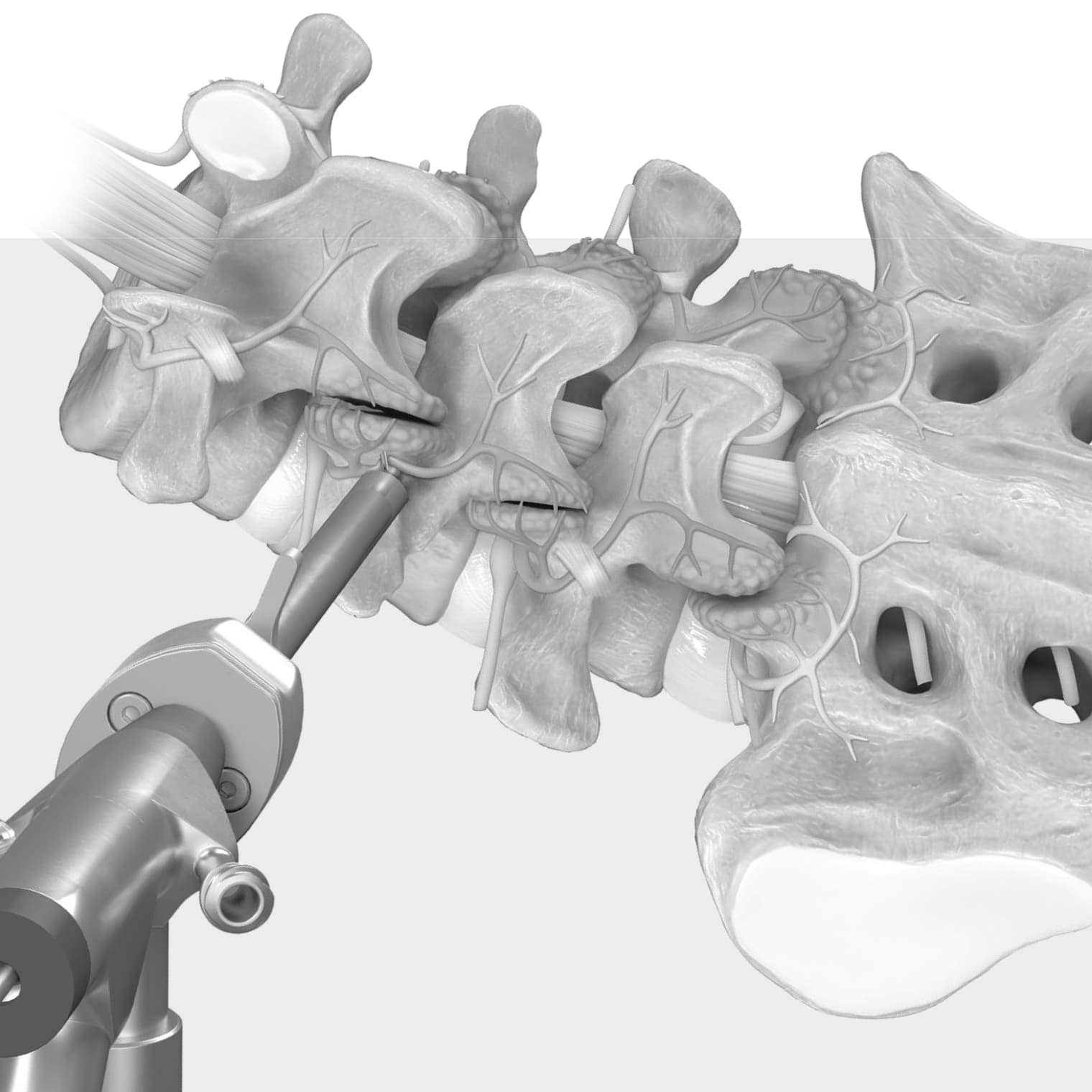
Medial Branch Transection
Cuts tiny nerves that carry pain signals from facet joints, providing long-term pain relief without affecting muscle function.
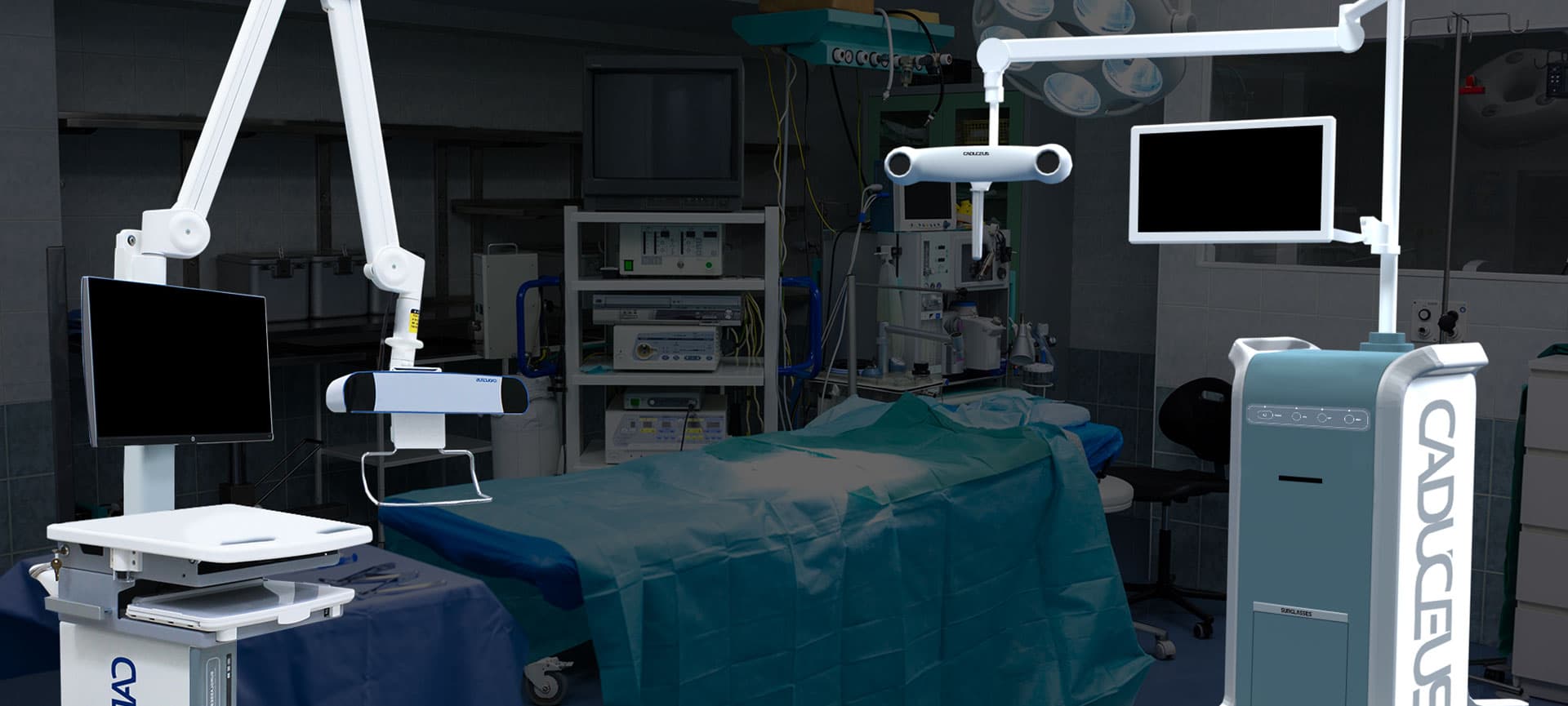
Computer Navigated Spine Surgery
Uses 3D imaging and GPS-like navigation to guide the surgeon’s instruments with precision, improving safety and accuracy in complex cases.